
International Day of the Greek Language at the European Parliament
On the evening of 3rd February 2026 I had the honour of speaking at this event. I explained the hard work done by teachers and students in the UK in making Ancient Greek and Ancient Greece accessible, teachable and in the end assessable within the school environment. I make some suggestions for greater involvement of our political partners and drew attention to future plans.

International Day of the Greek Language at the European Parliament
On the occasion of the World Greek Language Day, a special event dedicated to the Greek language will be held in the European Parliament, thanks to the initiative of the Greek MEP Eleonora Meleti.
The opening will feature:
Sofia Zacharaki, EU Minister of Education, Religious Affairs and Sport
Georgios Koumoutsakos: Permanent Delegate of Greece to UNESCO
And the following will participate:
Andreas Fountoulakis (FIEC President)
Steven Hunt (University of Cambridge)
Eugenia Manolidou (Eliniki Agogi)
Evelien Bracke (University of Ghent)
The event was live-streamed and I will provide a link later. I am hoping that the four main presenters’ speeches will be published shortly.
In essence, in my speech, I shot down the myth that teaching and learning about classical languages – especially Greek – is elitist. People often accuse it of being a dead language. But we need to change – it is teachers who can make it deadly. Instead of treating Greek as an unusual case, we should try to normalise the teaching of it – so that it takes its place among other languages, not outside or alongside. With this in mind, we in the UK have been developing resources that are fit for purpose – for a range of students, not just the best ones. We also need different types of assessment to fit. Modern languages are currently considering a ‘ladder’ of qualifications, so that pupils who start but do not complete a full existing qualification, such as GCSE, get credit and reward for completing what they have done. I noted that in tandem with new resources, we need teaching suggestions – something I have been undertaking for many years (and others too). We need also to think of the ancient language as a humanity – the learning of the language we should not forget is for learning about the ancient world and, in turn, for learning about ourselves and others. It has a natural place in the humanities.
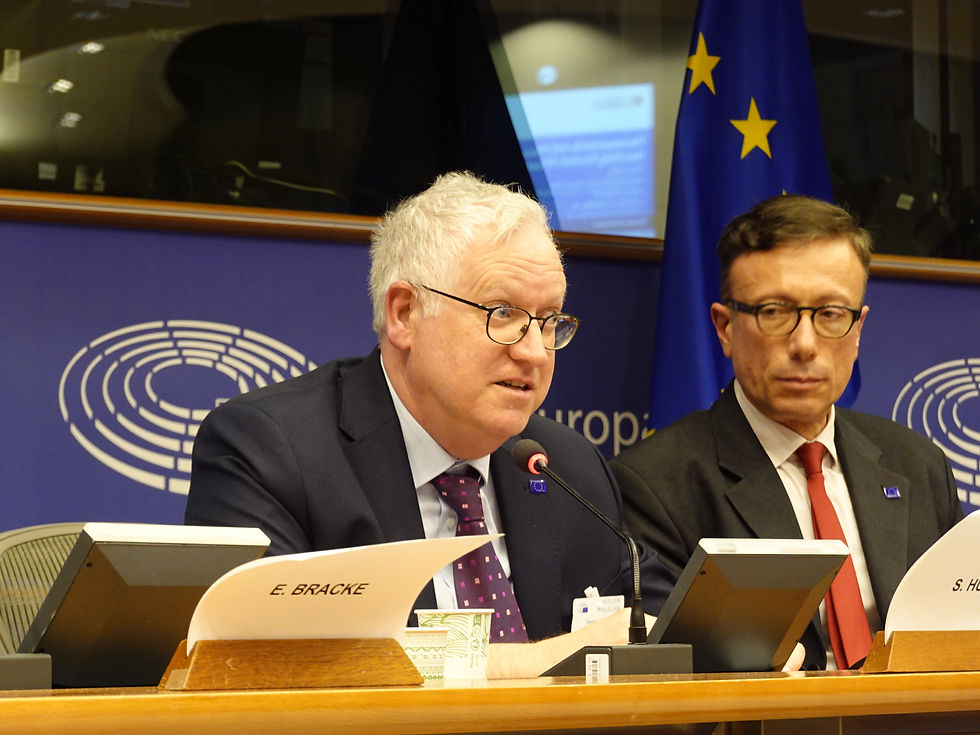
While I have sought advice about teaching and learning classical languages, literature and civilisation from other anglophone countries – USA, Australia and New Zealand – with the advent of digital resources and translators, I can now look more closely – and share more effectively – resources and teaching ideas from our continental cousins. In Britain, we might not be in the European Community, but we are still Europeans, and Euroclassica is an excellent venue for knowledge exchange across borders – as my book Teaching Classics Worldwide has shown, we have more in common with others than we might have thought. It is easy to be negative about Classics – its supposed elitism amongst many accusations. But we can be positive about the good that comes from learning about the ancient world, good for pupils, good for each other. If Greek culture is so good, it should be available to everyone. In the UK, we are trying to achieve just that. I look to the efforts of Cambridge School Classics Project, the Classical Association, Hands-Up Education, Classics for All and many more individuals (including my colleague and speaker, Evelien Bracke) working hard to expand and extend our reach among ordinary pupils.
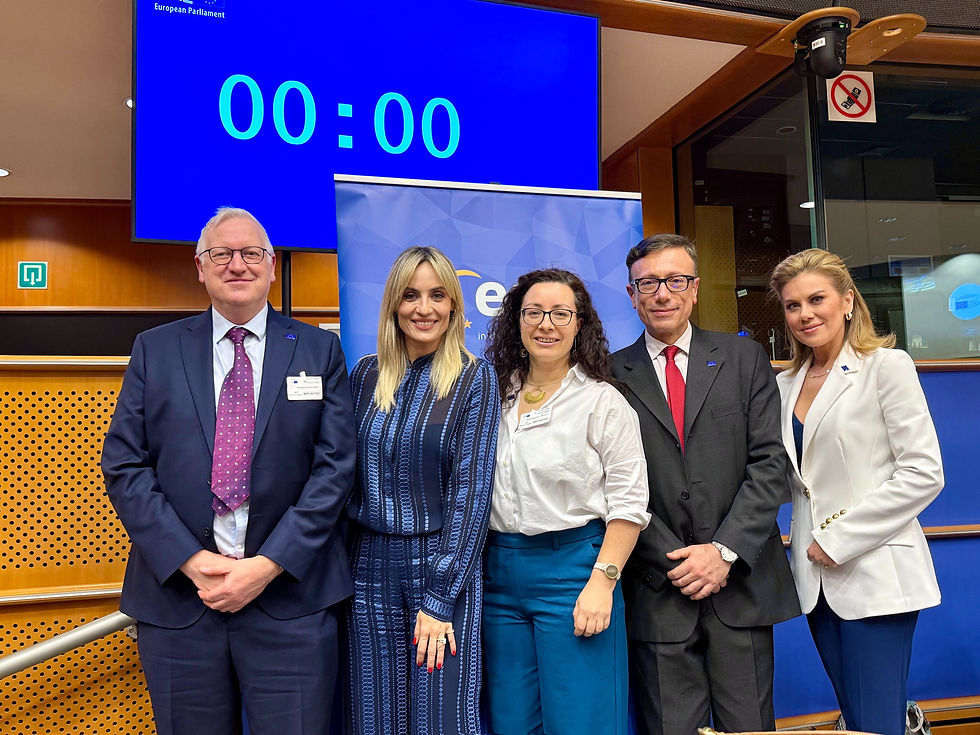
Through the support of Classics for All, for example, two Greek Academies have been set up – weekend online or in-person courses run by experienced teachers in Liverpool and in Cambridge. Charlotte Crane, MP for Bury St Edmunds, visited the Cambridge one recently and was impressed by the dedication of the pupils and the fun they had learning Greek together. This day in the European Parliament, under the initiative of Eleonora Meleti MEP represents something even bigger: the opportunity not just to tell people about small-scale initiatives, but to start making the policy changes that support, develop and extend the reach of the Classics across Europe and perhaps beyond.


Comments